Posts

Showing posts with the label sql server data replication

Replication and What are Its Tools

Image
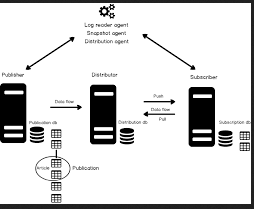
Replication is a technology for copying and distributing data and database objects from one database to another. The databases are then uniformly synchronized to ensure consistency. There are several ways to distribute data to different locations and mobile or remote users - over wireless and dial-up connections, local and wide area networks, and the Internet. There are mainly three types of SQL server replication tools. Snapshot Replication – A “snapshot” of all data on one server is taken and the data is moved to another server or another database in the same server. After the first synchronization snapshot, replication refreshes the data in published tables over fixed pre-programmed periods. While this technology is the easiest to set up and maintain, all data has to be copied every time a table is refreshed. Transactional Replication- It copies data from the publisher to the subscriber/s once and then transports the transactions to the subscriber/s as and when they take place ...
Real Time Database Replication for Increased Business Efficiencies

Image
Massive amounts of data are generated by modern businesses today with constant challenges to keep data online and accessible 24x7. Thus there is a need for a system to maintain, store, and manage data along with replacing old and outdated data. Of all the possibilities available today, SQL Server Replication is best placed to accommodate all these demands. SQL Server Replication copies and distributes data and database from one source to another. When this is programmed to run constantly it is SQL real-time replication of data. Apart from it, systems can be set to process and copy databases at fixed pre-decided intervals. There are several replication techniques such as one-way, one-to-many, many-to-one, and bi-directional, all of which leads to datasets being in sync with each other. One of the key tools for real-time database replication is transactional replication. In this method, data is copied from the publisher to one or more subscribers once and thereafter, transactions ar...